


BIOPOLITICS OF COOLING
UNPACKING COMFORT
Etymologically, comfort means: derives from Late Latin "confortare" meaning "to strengthen greatly." The evolution of comfort in Middle English took on meanings of ease, emotional support and consolation. Thus, to live in comfort is to be given strength, to be aided, or soothed when something is wrong. To feel comfort is both physical and emotional, and inherently social. We are given comfort by someone or something. When the prefix of ‘dis’ is added to discomfort, it created a word meaning “away from strength” or “deprived of strength/reinforcement”, revealing a form of social exclusion.
In the context of Cooling (and also in the context of environmental crisis), this becomes even more stark: some bodies are strengthened and consoled by cooling systems, while others are exposed to extreme forms of it. The etymology of comfort also reveal a deeper truth about discomfort, that is not just about physical unease - but also being systematically excluded from social relationships and systems that provide strength, protection and comfort towards others.
Questions
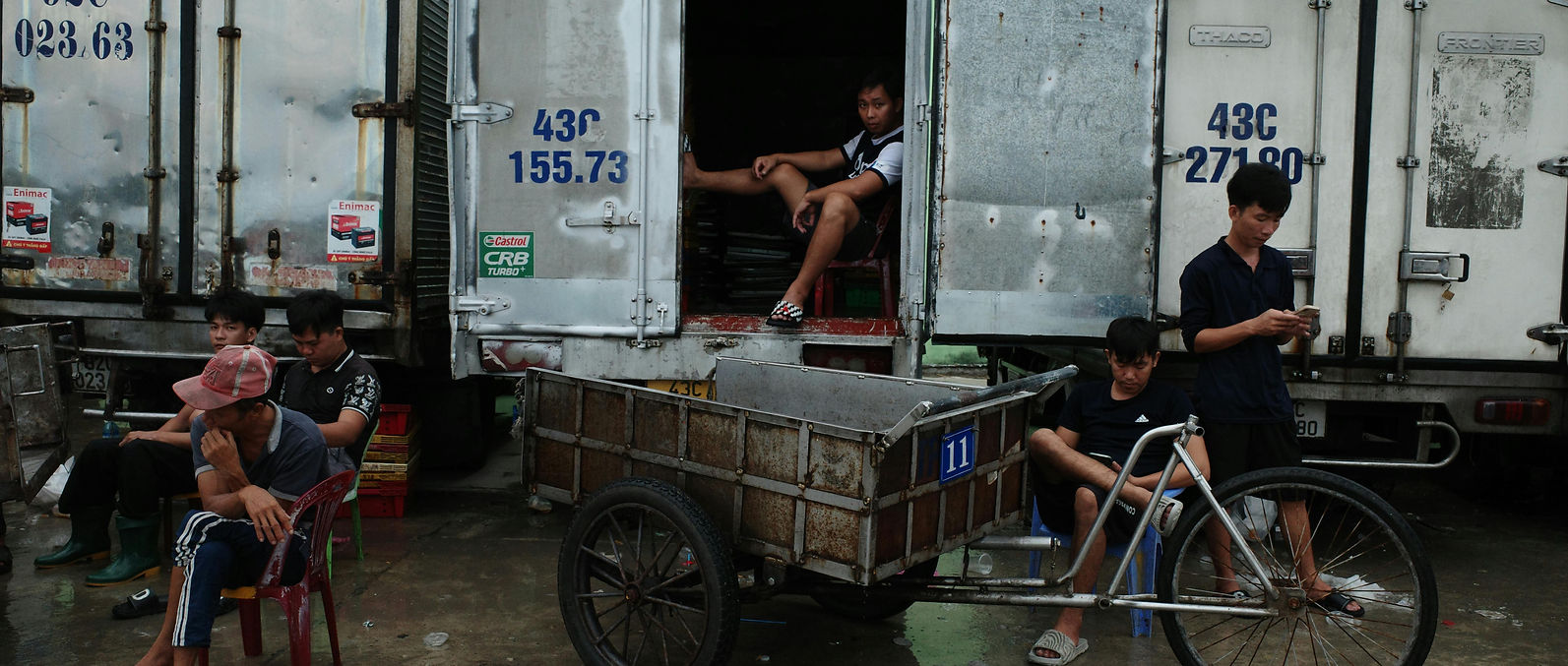
Cooling as a system ties together fossil fuel consumption and bodily endurance, shaping how labour is extracted, where it is located, and who experiences thermal comfort versus thermal exposure.
Who produces cooling?
Who benefits from cooling?
Who pays for the cost of cooling?
What is the role of capital in welding biopower in deciding who’s bodies remain in comfort for productivity, gets to be in comfort or who suffers in discomfort?